A Fireside Chat with Yekjan Yuzal of Towercraft
Steve Harrop talks to Yekjan Yuzal, co-founder and CEO of Towercraft, about cleaning and inspecting building façades with robots, and where people fit in.
CSSA Communications Team · Communications5 min read
“For this Meet the Member, I caught up with Yekjan Yuzal, co-founder and CEO of Towercraft. We talked about robots, rope access, and why a façade can tell you far more than whether the glass is clean. Towercraft works across the UK, the UAE and Türkiye, and it’s been quite a year for the team: a place at the Dragons’ Den stage of the CSSA Innovation Showcase 2027 and a spot on the Tomorrow’s FM Awards 2027 shortlist.”
- Steve Harrop, General Manager, CSSA
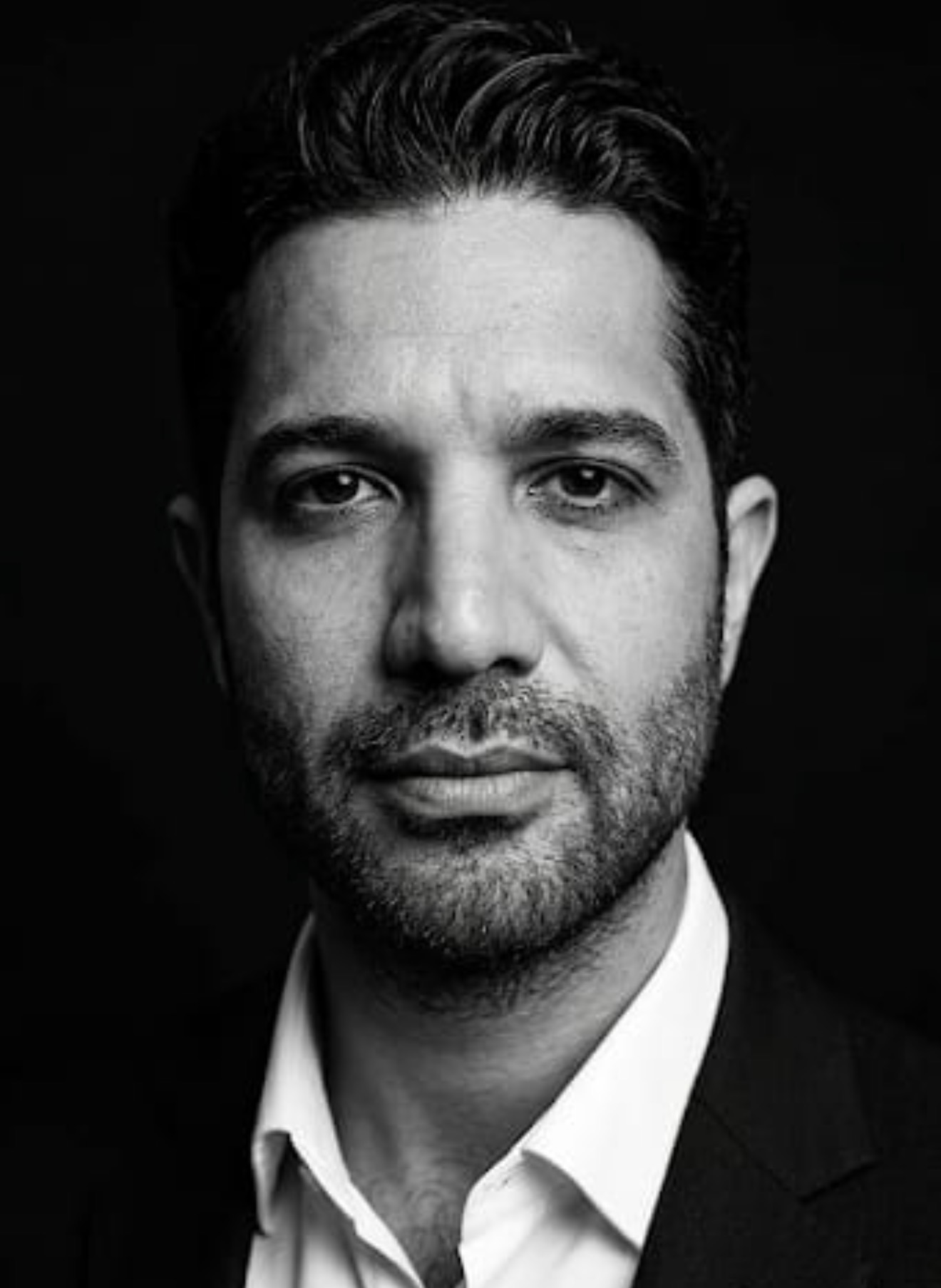 Yekjan Yuzal, co-founder and CEO of Towercraft
Steve: Yekjan, let’s start at the beginning. Tell me a bit about Towercraft and the people behind it. How did the idea come about, and how did you arrive at the business model you have today?
Yekjan: Aykut Bilici, our CTO and founder, is an engineer who had the idea of a robot that could work on glass façades. I joined a year later. We tried suction cups and designs, testing again and again. Every time we solved one problem, there was another! Later we created T-Hub Technologies for R&D. The T stands for Türkiye; we believe it can be a hub for technology.
Steve: For anyone reading who hasn’t come across Towercraft yet, how would you describe what you do?
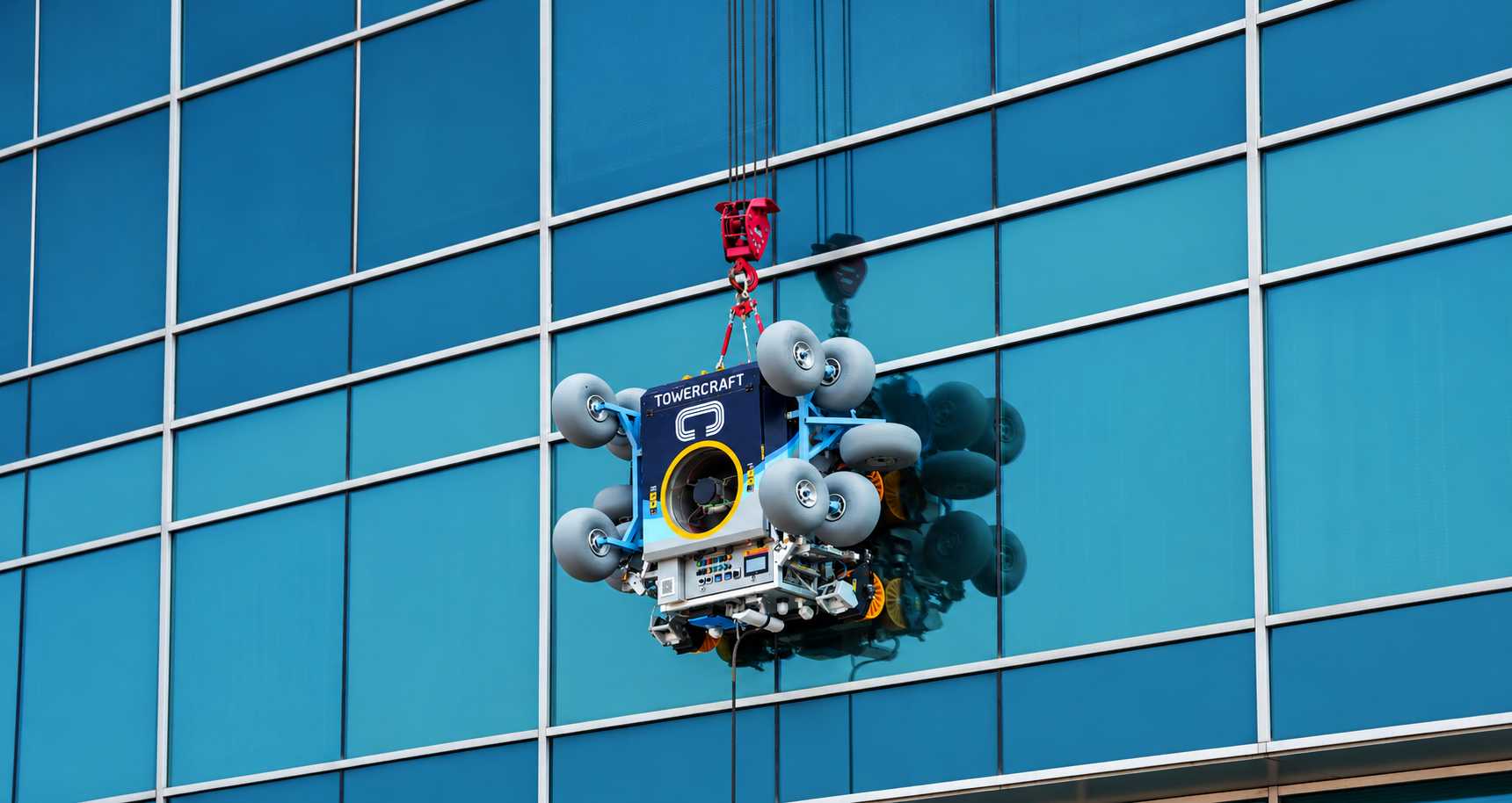
Yekjan: In a nutshell, we clean and inspect building façades using robots. The technology is engineered by T-Hub Technologies, and we now work across the UK, the UAE and Türkiye. The cleaning matters, of course, but what really interests us is what else a maintenance visit can tell you. We capture images as we go, so building owners end up with a clearer picture of how their façade is doing, not just cleaner glass.
Steve: Buildings have got a lot cleverer over the last couple of decades, but the way we look after the outside of them hasn’t changed all that much. Why do you think that is?
Yekjan: Buildings have changed enormously, but a lot of the ways we maintain them haven’t. Rope access, cradles and mobile platforms are still the norm, and they work. But they mean people working at height, and the focus tends to be on one thing: clean glass. A façade can tell you so much more about the health of a building. We think maintenance should help spot problems early and support better long-term decisions. That’s the gap we’re trying to fill.
Steve: Talk me through what actually happens when the robot goes to work on a building.
Yekjan: The robot uses specialist brushes to lift off the stubborn stuff, things like pollution and algae, and then rinses with deionised water. While it’s working, it’s also photographing the façade. That gives us a record of what we’ve seen and lets us flag anything that might need a closer look. So a routine clean becomes a chance to get to know the building a bit better.
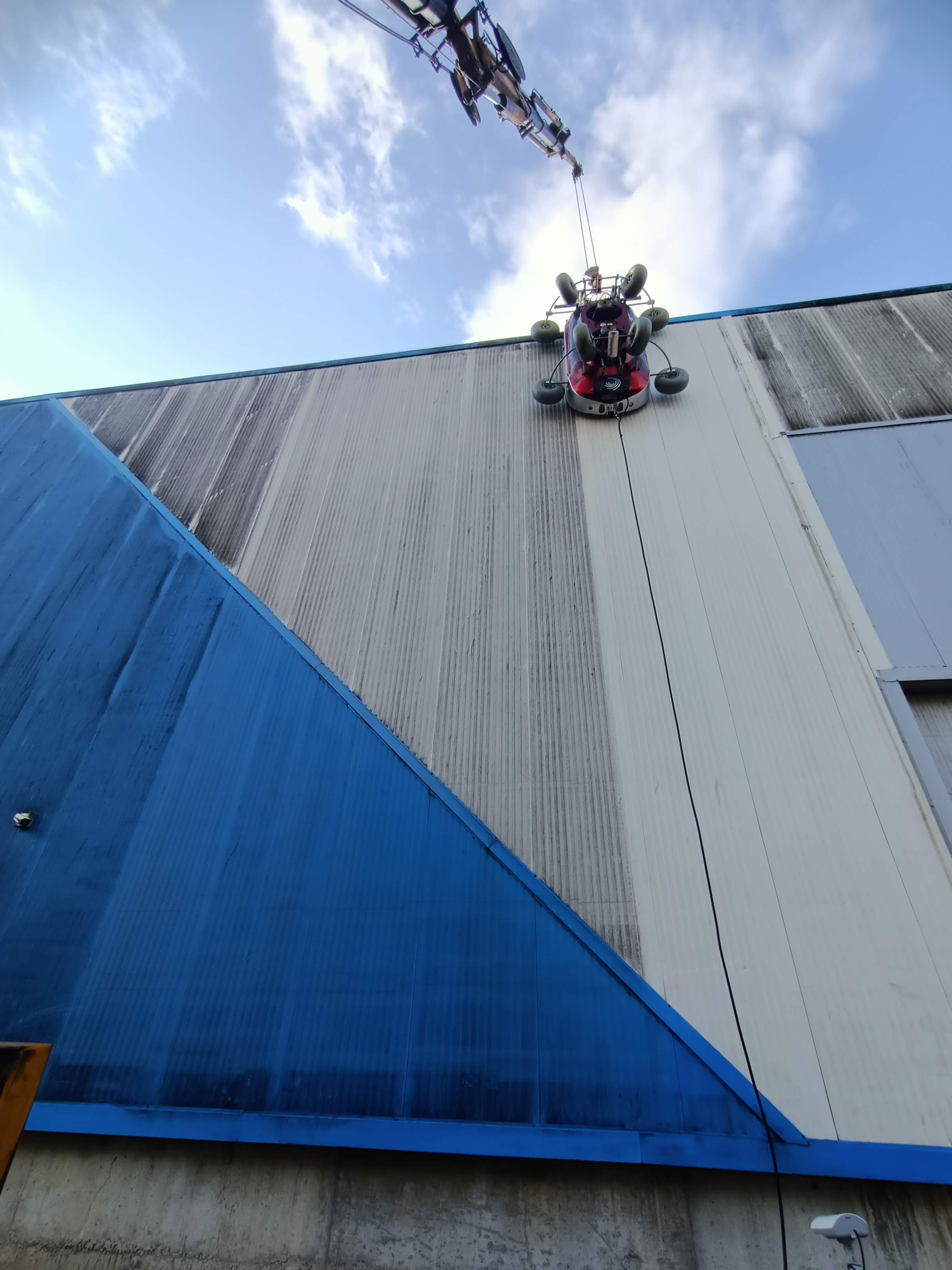 The Towercraft robot cleaning warehouse cladding, with the cleaned strip clearly visible.
Steve: So beyond a sparkling façade, what does a building owner or facilities manager actually get out of it?
Yekjan: Really, it comes down to information. If you document a façade each time it’s cleaned, you can see how it’s changing, spot areas that need attention and plan your next steps properly. A more efficient clean can also help with scheduling, cause less disruption and cut down on unnecessary work at height. For owners, it’s about looking after the asset and making decisions with more knowledge behind them.
Steve: I have to ask the question I know a lot of our members will be thinking. When a robot turns up, where do people fit in?
Yekjan: Right at the centre. The robot doesn’t replace people; it needs them. Our trained operators plan the work, run the equipment and make sense of the information it collects. What changes is where they work from. Instead of spending long stretches suspended at height, they can manage much of the job from somewhere much safer. For me, that’s the exciting part: safer work, new technical skills and better roles in our industry.
Steve: Our members know their clients’ buildings inside out. How do you see Towercraft working alongside cleaning contractors here in the UK?
Yekjan: I see real potential for working together. Contractors already know their clients’ buildings and what those clients need, and that knowledge is hard-won. Robotics can sit alongside it and help them offer more than a conventional clean, with images and insights that give building owners extra value. It isn’t about technology pushing established expertise aside. It’s about the two working together to build better services.
Steve: You’ve joined CSSA, reached the Dragons’ Den stage at the Innovation Showcase and been named a Tomorrow’s FM Awards finalist. That’s quite a run. What has it meant to you?
Yekjan: It means a lot. As we grow in the UK, CSSA has helped us meet people across the industry, hear about the challenges they face and start building proper relationships. Reaching the Dragons’ Den stage, and being named a finalist in the Tomorrow’s FM Awards 2027, has been really encouraging. We’re looking forward to showing people what the technology can do and swapping ideas with everyone there.
Steve: And if we sat down again in ten years’ time, what would you hope façade maintenance looks like?
Yekjan: Safer, smarter and more proactive. Cleaning will always matter, but it shouldn’t be the only thing you get from a maintenance visit. I’d love to see a new standard where robotics, human expertise and useful building insight all work together. In the end, it’s not just about how we clean façades. It’s about rethinking how we look after buildings.
Steve: What do you enjoy most about the work?
I enjoy solving problems: you have an idea, test it and see what happens. I still love seeing the robot work on a building, and working with our teams in Türkiye, London and Dubai. We’re close, and people really help each other. Even outside work, I can’t switch it off! When I get the chance, I like going to football matches.
Steve: Yekjan, thank you. It’s been a pleasure.